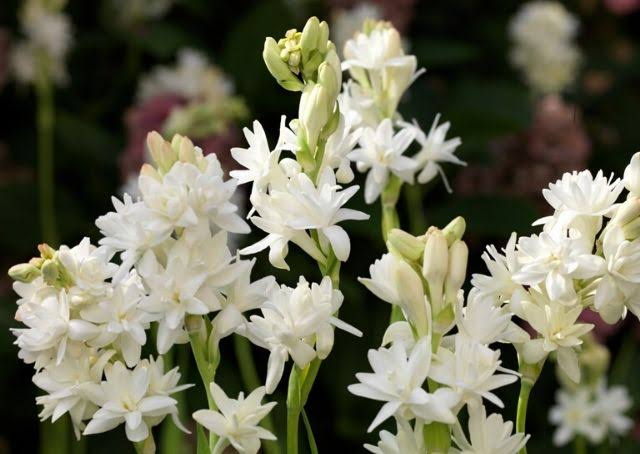
Tuberose (Agave amica, formerly Polianthes tuberosa) is a night-blooming white flower. Despite its name, this captivating botanical isn’t actually related to the rose at all…
Native to Mexico, this night-blooming white flower has earned a rather intoxicating reputation in the world of fragrance. Its scent is rich, creamy and unmistakably floral, with fresh green facets and an almost heady quality that gives Tuberose its larger-than-life personality.
And larger than life it is. Tuberose is not a botanical that likes to quietly sit in the background. It can be lush and sensual, fresh and green, creamy and warm — sometimes all at once.
Let’s take a closer look at one of perfumery’s most captivating white flowers.
Benefits
There’s something particularly intriguing about a flower that comes alive after dark. Research into Tuberose has found that its scent emission follows a natural rhythm, becoming most intense at night — perhaps one reason its fragrance has such a captivating reputation.
Tuberose has also traditionally been valued beyond perfumery for its aromatic qualities. While research into its wellbeing effects is still limited, one small clinical study found that inhalation of Tuberose essential oil was associated with reduced test anxiety among students.
For us, its appeal begins with the scent itself. Rich, enveloping and full of character, Tuberose is the kind of botanical that asks you to slow down and really smell it. What begins as a beautiful white floral can reveal creamy, green and almost spicy facets the longer you spend with it.
A MODERN PERFUME INGREDIENT
Tuberose has become something of an icon in modern perfumery, with perfumers using its many personalities in completely different ways.
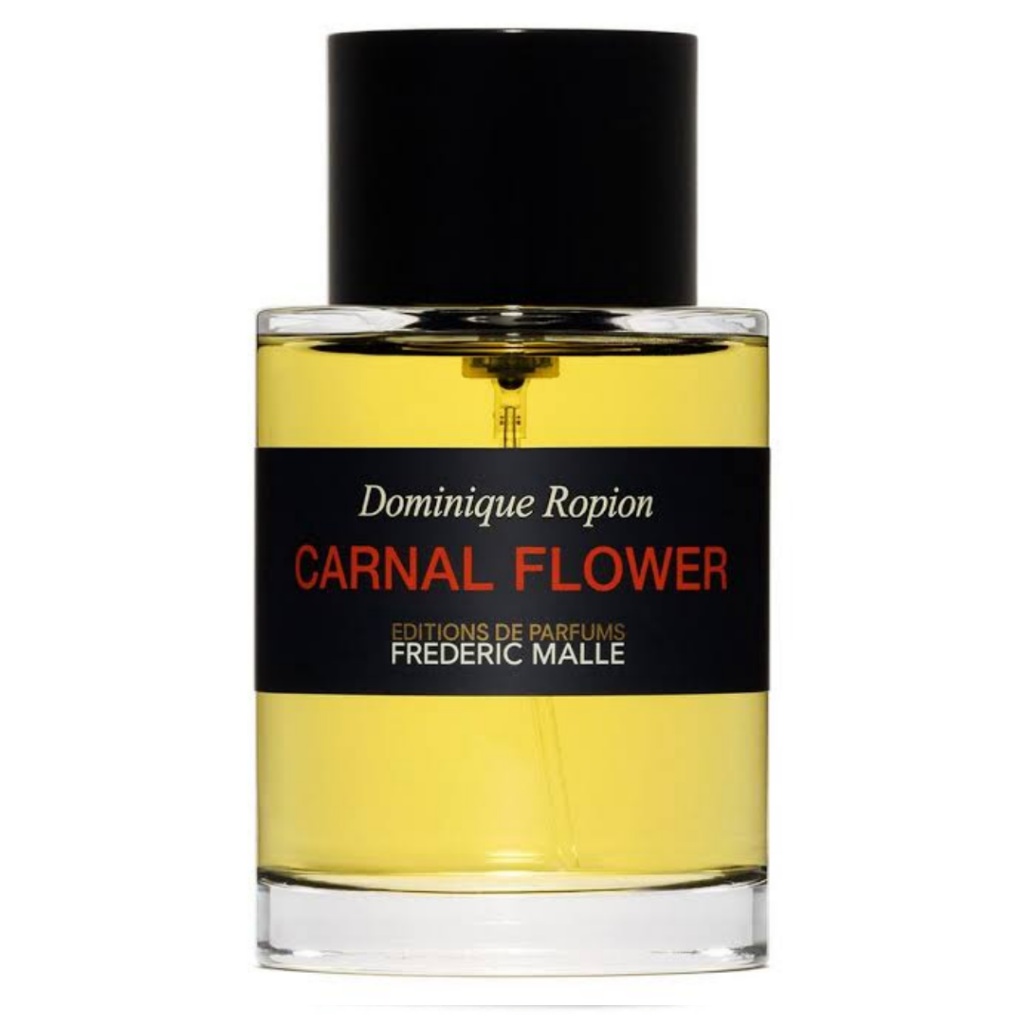
Frédéric Malle’s Carnal Flower, created by perfumer Dominique Ropion, puts Tuberose firmly centre stage. A high concentration of natural Tuberose Absolute reveals both the fresh, green side of the flower and its richer, creamier character, alongside watery fruits, musk and milky notes.
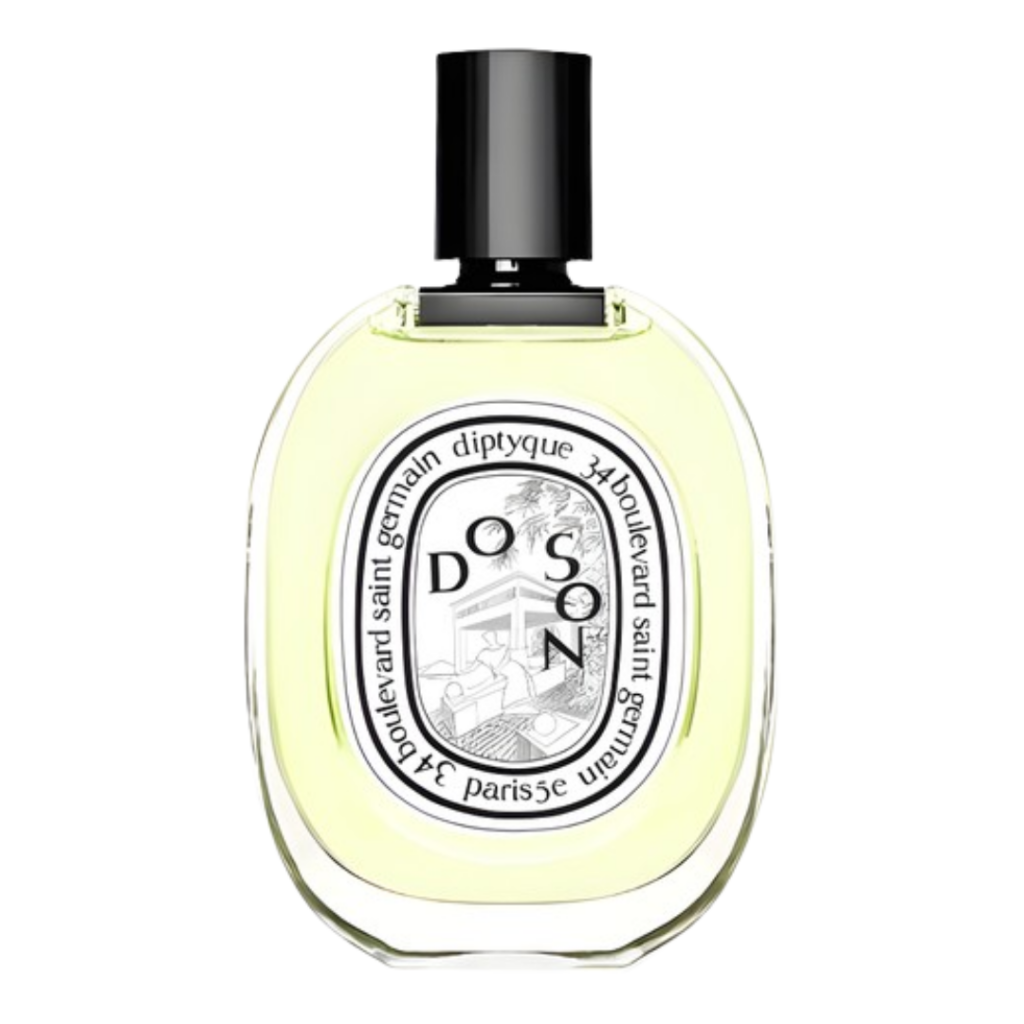
Diptyque takes Tuberose somewhere entirely different with Do Son. Inspired by co-founder Yves Coueslant’s childhood summers in Vietnam, the fragrance pairs Tuberose with Orange Blossom, Jasmine and a marine accord, creating the impression of this heady white flower carried on a sea breeze.
Two beautiful examples of just how versatile Tuberose can be — bold and creamy in one composition, airy and windswept in another.
Smell Tuberose in:
HOW WE USE IT
Tuberose is one of those ingredients that can completely change the direction of a fragrance.
At Perfume Playground, we love exploring its rich floral character alongside other botanicals and seeing which part of its personality comes forward.
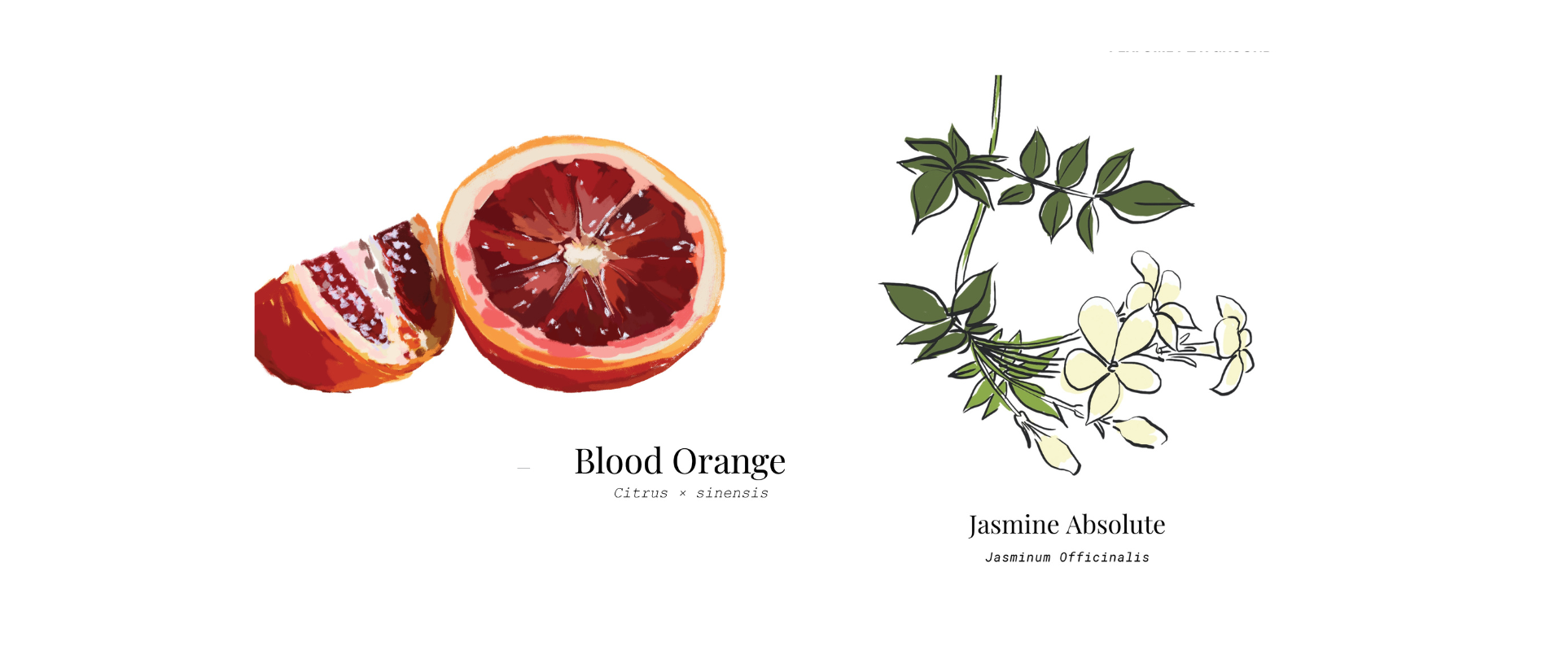
Pair it with Jasmine or Orange Flower and you can build on its lush white-floral character. Introduce the brightness of Bergamot or Mandarin and things begin to feel fresher. Or take it somewhere warmer with Sandalwood or Vanilla, allowing its creamy side to come through.
There are no hard and fast rules at the blending table. Sometimes the combination you least expect is the one you can’t stop smelling.
Bright without being sharp, floral without being sweet and fresh without being simple, bergamot is proof that a citrus note can have extraordinary depth.
Why not explore its sparkling complexity in your next fragrance?